A unique font style changes ordinary letters into visually distinctive text. You can use styled characters in Instagram bios, usernames, WhatsApp messages, gaming profiles, captions, and digital designs.
Most online font tools do not install a new typeface. They convert standard letters into Unicode characters that resemble bold, italic, cursive, outlined, or decorative fonts. You can copy the converted text and paste it into supported platforms.
This guide explains how unique font styles work, where you can use them, and how to choose readable text for different digital platforms.
What Is a Unique Font Style?
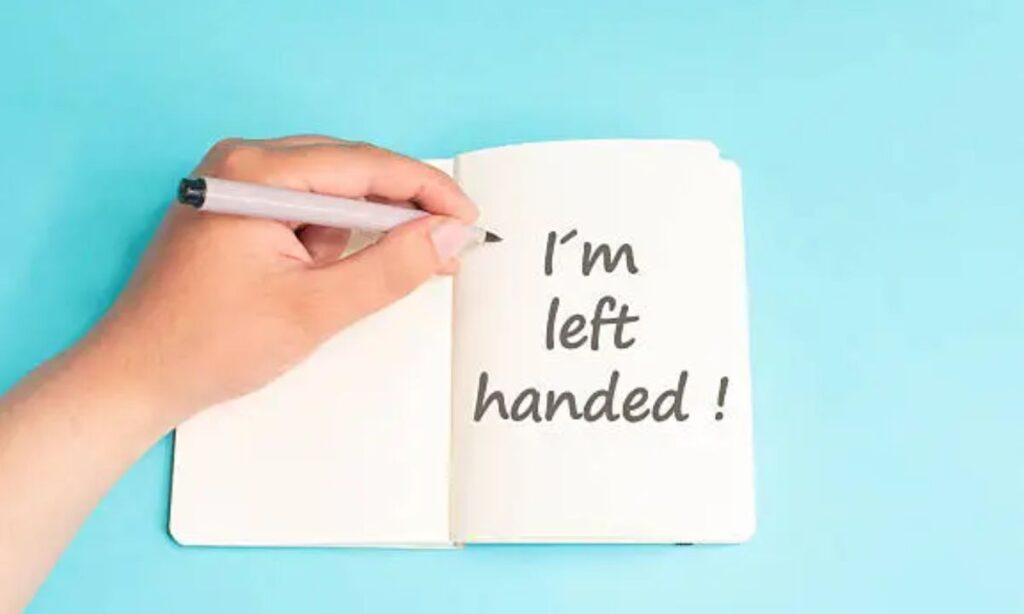
A unique font style is a visual variation of standard text. It can make words appear bold, cursive, gothic, monospaced, circled, underlined, or decorated with symbols.
Examples include:
- Standard: Unique Font Style
- Bold: 𝗨𝗻𝗶𝗾𝘂𝗲 𝗙𝗼𝗻𝘁 𝗦𝘁𝘆𝗹𝗲
- Italic: 𝑈𝑛𝑖𝑞𝑢𝑒 𝐹𝑜𝑛𝑡 𝑆𝑡𝑦𝑙𝑒
- Script: 𝒰𝓃𝒾𝓆𝓊ℯ ℱℴ𝓃𝓉 𝒮𝓉𝓎𝓁ℯ
- Monospace: 𝚄𝚗𝚒𝚚𝚞𝚎 𝙵𝚘𝚗𝚝 𝚂𝚝𝚢𝚕𝚎
- Circled: Ⓤⓝⓘⓠⓤⓔ Ⓕⓞⓝⓣ Ⓢⓣⓨⓛⓔ
Each version communicates the same words, but the visual appearance changes. This difference helps text attract attention, express personality, or match a specific profile theme.
How Does a Unique Font Style Generator Work?
A unique font style generator maps normal letters to similar-looking Unicode characters. Unicode provides a global character standard for computers, websites, applications, and mobile devices.
For example, the standard letter “A” differs from the mathematical bold character “𝐀.” The two characters look related, but each has a separate Unicode code point.
A font generator usually follows four steps:
- You enter normal text.
- The tool identifies each letter, number, or symbol.
- The tool replaces supported characters with Unicode alternatives.
- You copy and paste the styled result.
The tool changes the characters rather than the font file. This process allows styled text to appear without downloading software or installing a custom typeface.
Why Do People Use Unique Font Styles?
People use unique font styles to make digital text more noticeable. Styled letters help distinguish a name, heading, caption, or profile description from surrounding content.
Common purposes include:
- Personalising an Instagram bio
- Styling a Snapchat display name
- Formatting a WhatsApp status
- Creating a distinctive gaming username
- Highlighting words in social media captions
- Designing decorative invitations
- Formatting headings in digital notes
- Creating aesthetic profile themes
- Separating sections in short descriptions
- Improving visual hierarchy in plain-text content
A unique font style can support personal branding when you use it consistently. A creator may use bold text for headings, script text for a signature, and plain text for longer explanations.
Which Unique Font Styles Can You Use?
Unique font generators often provide dozens of text variations. Each style creates a different visual effect and supports a different purpose.
Bold Font Style
Bold Unicode text gives words greater visual weight.
Example: 𝗨𝗻𝗶𝗾𝘂𝗲 𝗡𝗮𝗺𝗲
You can use bold text for short headings, important words, product names, and profile labels. Bold characters remain clearer than many decorative alternatives.
Italic Font Style
Italic text creates a slanted appearance.
Example: 𝑈𝑛𝑖𝑢𝑒 𝑁𝑎𝑚𝑒
Italic styles suit quotes, short captions, creative descriptions, and emphasis. Some italic Unicode characters may display differently across devices.
Cursive Font Style
Cursive or script text resembles decorative handwriting.
Example: 𝒰𝓃𝒾𝓆𝓊ℯ 𝒩𝒶𝓂ℯ
This style works well for names, signatures, wedding text, romantic captions, and aesthetic bios. Long cursive paragraphs can become difficult to read.
Gothic Font Style
Gothic characters create a dramatic and traditional appearance.
Example: 𝔘𝔫𝔦𝔮𝔲𝔢 𝔑𝔞𝔪𝔢
People often use gothic text for gaming identities, music profiles, fantasy themes, and dark visual concepts.
Monospace Font Style
Monospace characters give every letter a similar width.
Example: 𝚄𝚗𝚒𝚚𝚞𝚎 𝙽𝚊𝚖𝚎
This style resembles typewriter or coding text. It suits technology profiles, minimalist bios, and structured captions.
Bubble and Circled Font Style
Bubble text places letters inside circles or rounded shapes.
Example: Ⓤⓝⓘⓠⓤⓔ Ⓝⓐⓜⓔ
Circled characters attract attention in short phrases. They work best for labels, initials, list markers, and playful usernames.
Small Capital Font Style
Small capital letters resemble uppercase text at a reduced height.
Example: Uɴɪǫᴜᴇ Nᴀᴍᴇ
This style creates a clean and compact appearance. You can use it for usernames, profile headings, and short category labels.
Upside-Down Text Style
Upside-down text reverses or rotates compatible characters.
Example: ǝɯɐN ǝnbᴉuՈ
This format works as a novelty style for captions, jokes, and creative messages. It reduces readability and should remain limited to short text.
Where Can You Use Unique Font Styles?
You can paste Unicode font styles into many platforms that support standard Unicode characters. Compatibility depends on the application, operating system, browser, and selected character set.
Instagram users add stylish text to bios, captions, comments, display names, and story text. A distinctive font can separate profile categories such as “Travel,” “Fitness,” or “Contact.”
Use decorative text selectively. A heavily stylised bio may become harder to read and search.
WhatsApp supports pasted Unicode text in chats, group names, profile descriptions, and status updates. The application also includes built-in formatting for bold, italic, strikethrough, and monospace text.
A font generator provides additional visual styles, while WhatsApp formatting changes the presentation of standard characters.
Snapchat
Snapchat users can place unique text in display names, story captions, profile descriptions, and private messages. Short styles usually perform better because narrow screens limit available space.
Facebook generally accepts Unicode text in posts, comments, profile sections, page descriptions, and group content. Some characters may appear as empty boxes on older devices.
TikTok
TikTok creators use stylish text in display names, bios, captions, and comment sections. A readable font can strengthen visual identity without obscuring the account topic.
Gaming Profiles
Gaming communities use decorative characters for player names, clan tags, team labels, and profile descriptions. Some games restrict unsupported symbols or apply character limits.
Check the platform rules before selecting a final username.
How Do You Create a Unique Font Style?
“If you want to try this yourself, use our free Unique Font Style Generator to instantly create and copy stylish text for any platform.”
You can create styled text through a simple copy-and-paste process.
- Open an online font style generator.
- Enter your name, phrase, or caption.
- Review the generated text styles.
- Choose a readable option.
- Copy the complete text.
- Paste it into your selected application.
- Check the result on mobile and desktop devices.
Test the text before publishing it permanently. Some platforms remove unsupported characters, replace symbols, or limit the number of visible characters.
How Do You Choose the Best Font Style?
The best font style matches your purpose, audience, and platform. A decorative name may suit a personal profile, while a business account usually benefits from clearer text.
Evaluate each style through five criteria:
| Criterion | What to Check |
| Readability | Can users recognise every letter quickly? |
| Compatibility | Does the style display correctly on major devices? |
| Relevance | Does the appearance match your content or identity? |
| Length | Does the text fit within the platform limit? |
| Consistency | Does the style match your other profile elements? |
A strong style creates distinction without reducing comprehension.
Can Unique Font Styles Affect Readability?
Unique font styles can reduce readability when they use complex symbols, unusual letterforms, or excessive decoration. Screen readers may also pronounce some Unicode characters incorrectly or individually.
Use plain text for important information such as:
- Contact details
- Instructions
- Website addresses
- Product specifications
- Safety information
- Long descriptions
- Legal notices
- Educational explanations
Use styled text for short decorative elements such as names, headings, labels, or selected keywords.
Read more Font Changer Text – Free Fancy Text Generator (Copy & Paste)
Are Unique Font Styles Accessible?
Accessibility varies by character type and assistive technology. A screen reader may interpret mathematical letters as separate symbols rather than ordinary words. Search functions may also fail to match stylised text with its standard spelling.
For example, a platform may treat “𝗡𝗮𝗺𝗲” and “Name” as different character strings. This difference can affect search, copying, pronunciation, and indexing.
You can improve accessibility by following three practices:
- Keep important information in standard text.
- Use decorative characters only for short phrases.
- Add a plain-text version when clarity matters.
Accessible formatting helps more people understand and interact with your content.
What Is the Difference Between a Font and Unicode Text?
A font is a design system that controls how characters appear. Unicode text consists of encoded characters that retain their identity across compatible systems.
A website designer can apply Arial, Roboto, or Georgia to the same letter through CSS. A font generator instead replaces the original letter with another Unicode character that has a styled appearance.
This distinction explains why copied stylish text can retain its appearance after you paste it elsewhere.
Can You Use Unique Font Styles for Branding?
You can use a unique font style as a supporting branding element. Consistent typography can make profile names, campaign labels, and signature phrases easier to recognise.
However, Unicode text should not replace a complete brand typography system. Professional branding also requires defined typefaces, colours, spacing, logo rules, and accessibility standards.
Use unique text for:
- Social media signatures
- Campaign hashtags
- Creator names
- Short promotional phrases
- Profile section labels
- Decorative brand accents
Keep official company names, legal details, and website navigation in standard readable text.
What Mistakes Should You Avoid?
Several mistakes reduce the effectiveness of stylish text.
Using Too Many Styles
Multiple font styles create visual noise. Choose one primary style and one supporting style.
Styling Long Paragraphs
Decorative text slows reading. Apply it to names, labels, and short statements.
Ignoring Device Compatibility
A character may display correctly on one device and fail on another. Test the text before publishing it.
Replacing Important Keywords
Stylised characters may weaken search visibility because platforms can interpret them differently from standard letters. Keep essential topic terms in normal text.
Adding Excessive Symbols
Repeated hearts, stars, lines, and brackets can make a profile look crowded. Use symbols only when they support the intended theme.
Unique Font Style Examples for Different Uses
The following examples show how one phrase can support several purposes.
| Purpose | Example |
| Instagram name | 𝒜𝓁ℯ𝓍 𝒞𝓇ℯ𝒶𝓉ℯ𝓈 |
| Gaming name | 𝕯𝖆𝖗𝖐 𝕽𝖆𝖛𝖊𝖓 |
| Business label | 𝗖𝗥𝗘𝗔𝗧𝗜𝗩𝗘 𝗦𝗧𝗨𝗗𝗜𝗢 |
| Minimal bio | Mɪɴɪᴍᴀʟ Lɪᴠɪɴɢ |
| Technology profile | 𝙲𝚘𝚍𝚎 𝙻𝚊𝚋 |
| Personal signature | 𝓦𝓻𝓲𝓽𝓽𝓮𝓷 𝓫𝔂 𝓜𝓲𝓪 |
These examples create different impressions while preserving the original meaning.
How Can You Make Your Styled Text More Original?
Original text combines a suitable font style with specific wording. A common phrase remains generic even when decorative characters change its appearance.
You can create a more distinctive result by adding:
- A personal name
- A professional role
- A location
- A niche topic
- A short value statement
- A memorable phrase
- A relevant symbol
For example, “Travel Blogger” describes a broad category. “𝑀𝒶𝓎𝒶 | 𝐵𝓊𝒹𝑔ℯ𝓉 𝒯𝓇𝒶𝓋ℯ𝓁 𝒢𝓊𝒾𝒹ℯ𝓈” communicates a name, topic, and content focus.
Specific wording strengthens identity more effectively than decoration alone.
Frequently Asked Questions
Is a unique font style free to use?
Most online font generators provide free Unicode text conversion. Some websites charge for advanced design tools, downloadable typefaces, commercial licences, or premium editing features.
Can I copy and paste stylish fonts anywhere?
You can paste stylish Unicode text into many applications, but support varies. Older devices, restricted games, forms, and search fields may reject certain characters.
Why do some font styles show empty boxes?
Empty boxes appear when a device, browser, or application lacks support for specific Unicode characters. Choosing a simpler style usually restores correct text display.
Do stylish fonts improve social media engagement?
Stylish fonts may attract attention, but engagement depends more on content quality, relevance, timing, and audience interest. Excessive decoration can reduce readability and interaction.
Can search engines read unique font styles?
Search engines can process many Unicode characters, but stylised text may not match normal keyword spellings consistently. Use standard text for important searchable phrases.
Conclusion
Unique font styles are a fun and easy way to add personality to your digital presence, whether you’re jazzing up your Instagram bio, crafting a standout gaming name, or adding flair to your WhatsApp status. From bold and cursive to gothic and bubble text, these Unicode-powered styles let you express yourself instantly, without downloading a single font file. Just type, generate, copy, and paste — it’s that simple!
That said, the real magic lies in balance. Use styled text to highlight names, headings, and short creative phrases, but stick to plain text for anything that needs to be read clearly, searched easily, or understood by everyone. Test your chosen style across devices, keep it consistent with your personal brand, and don’t be afraid to experiment until you find the look that feels like you. With the right unique font style, even a simple line of text can leave a lasting impression!
Barbie | Expert on tool sites delivering fast, high-quality services with top performance, creativity, and professional results clients trust every time.