What Are Flag Fonts in Typography Systems?
Flag fonts are a category of experimental typography where characters are constructed using geometric, modular, or signal-based visual structures inspired by flags and banners. Flag fonts convert traditional letterforms into symbolic visual units.
Flag fonts operate within typography systems that prioritize structure over organic form. Each glyph follows predefined rules that connect shape, angle, and spatial alignment. This creates a controlled visual language used in design systems, branding, and digital interfaces.
Flag fonts are closely linked to visual communication design, information architecture, and computational typography.
Definition of flag fonts in visual communication
Flag fonts define typographic systems where glyphs represent structured visual signals. Designers use flag fonts to encode meaning through geometry instead of traditional stroke-based lettering.
Core structure of flag font glyph systems
Flag font glyph systems rely on modular grids, alignment rules, and geometric segmentation. Each character is built using repeatable components that ensure consistency across the font set.
How Do Flag Fonts Work in Visual Communication?
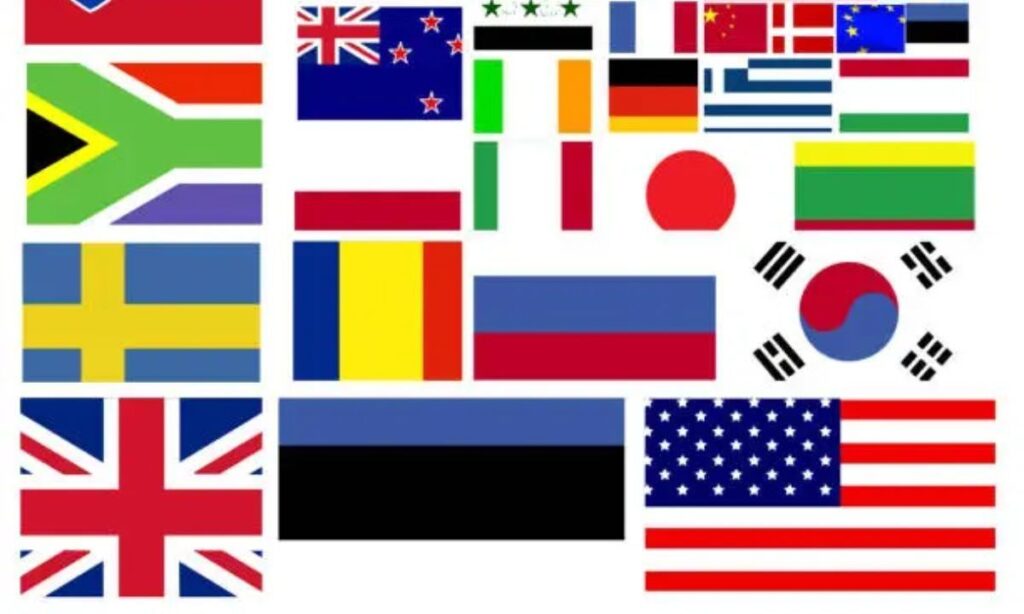
Flag fonts work by translating alphabetic characters into structured visual signals. This transformation supports symbolic communication in branding, UX design, and experimental typography systems.
Flag fonts rely on visual encoding, where meaning is carried through shape, proportion, and arrangement instead of traditional reading flow.
Grid systems in flag font construction
Grid systems define the structural foundation of flag fonts. Each glyph aligns to horizontal and vertical axes, ensuring proportional balance and consistent spacing across the type system.
Grid-based typography improves predictability in visual hierarchy. Designers use grids to maintain rhythm, alignment, and spatial coherence.
Glyph transformation into geometric patterns
Glyph transformation replaces curves and strokes with geometric primitives such as rectangles, triangles, and segmented blocks. This approach creates a machine-readable visual structure.
Geometric pattern transformation supports digital typography systems, parametric design tools, and vector-based font rendering environments.
Why Are Flag Fonts Used in Graphic Design?
Flag fonts are used in graphic design to create strong visual identity systems and structured symbolic communication. They enhance recognition and support consistent brand expression.
Flag fonts function as design languages that replace conventional typography with modular visual systems.
Role of flag fonts in branding systems
Flag fonts support branding systems by creating distinctive typographic identities. Brands use structured glyph systems to improve memorability, recognition, and differentiation in competitive markets.
Brand identity systems often combine flag fonts with logo design, color theory, and grid-based layouts.
Use of flag fonts in visual identity design
Visual identity design uses flag fonts to unify typography, iconography, and layout systems. This creates a consistent visual language across digital and print environments.
Flag fonts improve coherence in identity systems where symbolic communication is essential.
What Types of Flag Fonts Exist in Design Systems?
Flag fonts exist in multiple structural categories based on geometry, modularity, and visual abstraction.
Each type serves a different role in typography systems and visual communication frameworks.
Geometric flag fonts and their structure
Geometric flag fonts use strict mathematical shapes such as squares, circles, and triangles. These fonts rely on symmetry and proportional alignment.
Geometric systems are common in parametric design and computational typography.
Modular flag fonts and repeat patterns
Modular flag fonts are built from repeatable units. Each glyph is constructed by combining predefined modules into scalable patterns.
This structure supports responsive design systems and variable font technologies.
Where Are Flag Fonts Applied in Real Projects?
Flag fonts are applied in branding, UX/UI systems, signage design, motion graphics, and data visualization.
In UX design, flag fonts improve navigation clarity by using structured glyph systems. In signage, they increase visibility through simplified geometric contrast.
Flag fonts also appear in experimental graphic design, where designers explore non-linear typographic communication.
Common applications include:
- Corporate identity systems
- App interfaces and dashboards
- Exhibition and event branding
- Wayfinding and transportation signage
- Data-driven visualizations
How Do Flag Fonts Affect Readability?
Flag fonts affect readability through structural complexity, spacing control, and contrast levels.
High geometric abstraction reduces reading speed because the brain requires additional processing time to decode shapes into letters. Simplified flag fonts improve recognition efficiency.
Readability depends on:
- Letter spacing consistency
- Stroke contrast balance
- Grid alignment accuracy
- Visual noise reduction
In UX environments, designers often reduce complexity to maintain scanning speed and accessibility compliance.
How to Choose a Flag Font for a Project?
Flag font selection depends on design purpose, audience needs, and technical constraints.
Designers evaluate visual hierarchy, legibility, and system compatibility before implementation.
Selection criteria include:
- Context of use (branding, UI, print)
- Level of abstraction required
- Screen or physical readability
- Consistency with visual identity system
Flag fonts perform best when aligned with a structured design system rather than standalone decorative use.
FAQs
What are flag fonts used for?
Flag fonts are used for branding, UI systems, signage, and experimental typography. They improve visual identity through structured geometric character design and symbolic communication frameworks.
Are flag fonts readable for long text?
Flag fonts are not optimized for long text. Their geometric and abstract structure reduces reading speed, making them more suitable for headings, logos, and short visual messages.
Where are flag fonts commonly applied?
Flag fonts are commonly applied in branding systems, digital interfaces, motion graphics, signage design, and information visualization projects that require strong visual structure.
Do flag fonts follow design grid systems?
Flag fonts rely on strict grid systems to maintain alignment, proportional balance, and structural consistency across all glyphs within the typographic system.
What makes a flag font effective in design?
An effective flag font maintains clarity, geometric consistency, controlled spacing, and strong visual identity while supporting readability within its intended design context.
Explore more stylish text tools, copy-and-paste font generators, and creative typography resources at Font Generator Copy Paste — https://fontgeneratorcopypaste.com/
Conclusion
Flag fonts are more than decorative typefaces — they are structured visual communication systems built on geometry, grids, and modular design. Whether used in branding, UX interfaces, signage, or motion graphics, flag fonts bring consistency, identity, and symbolic strength to any design project.
Choosing the right flag font depends on your project’s purpose, audience, and readability needs. When applied within a well-defined design system, flag fonts elevate visual identity and create lasting recognition across both digital and print environments.

Barbie | Expert on tool sites delivering fast, high-quality services with top performance, creativity, and professional results clients trust every time.